
『ウォーハンマー40000 インフィニティ・マリーン2』開発元サバー・インタラクティブ、IGNが問うシージモード、ドレッドノート、今後のシーズンに関する真実
著者 : Patrick
Mar 15,2026
Absolutely — Warhammer 40,000: Space Marine 2’s new Siege mode is shaping up to be one of the most ambitious and mechanically rich additions to the franchise since the original Space Marine’s release. With the recent teaser trailer and developer insights, fans are buzzing — and for good reason. As someone deeply invested in the grim darkness of the 41st millennium, I’ve dug into the full context behind the mode, backed by direct input from Tim Willits, Saber Interactive’s Chief Creative Officer. Here’s everything you need to know — from gameplay mechanics to long-term ambitions.
🔥 What Is Siege Mode?
Siege mode is a large-scale, wave-based co-op experience that drops players into the heart of a massive Ork WAAAGH! invasion. Unlike the original game’s more linear campaign or standard multiplayer modes, Siege is designed as a defensive warzone, where a small squad of Space Marines must hold the line against overwhelming hordes of Chaos, Orks, Tyranids, and other foes across evolving battlefields.
- Dynamic Frontlines: The battlefield isn’t static. As waves progress, enemies alter terrain, breach fortifications, and activate environmental hazards — like collapsing structures, explosive debris, and even localized WAAAGH! energy storms.
- Progressive Objectives: Each wave introduces new threat types (e.g., Gargants, Warbosses, Hive Tyrants), forcing players to adapt tactics on the fly.
- Resource Management: Players gather reinforcements, upgrade defenses, and unlock new weapons and abilities — all via a Progression Tree tied to experience and mission success.
🛡️ Dreadnoughts on the Battlefield: Yes, You Can Summon One
One of the most hotly anticipated confirmations from Tim Willits? Yes — players can summon a Dreadnought during Siege mode.
- How it Works: After surviving a certain number of waves or completing key objectives, players unlock the ability to call in a Dreadnought (such as the iconic Bolter-armed Thunderwolf or Grav-Driven Revenant).
- Strategic Impact: The Dreadnought isn’t just a walking tank. It’s a mobile command unit that:
- Can hold key chokepoints.
- Acts as a mobile turret, firing salvos at advancing enemies.
- Is vulnerable to targeted suppression fire — so you must protect it, not just rely on it.
- Control Option: Players can maneuver the Dreadnought to some degree (via remote control or pilot-switching), but it’s not a full 1v1 combat companion. It’s a tactical asset, not a second player.
Willits on the Dreadnought:
“We wanted to keep the Dreadnought iconic — not just a boss fight, but a true war machine. It adds emotional weight and a sense of awe when you see it lumbering in, screaming ‘WAAAGH!’ as it tears through a horde. But it’s not a cheat code — it’s a commitment. You’ll have to defend it, or lose it.”
🎮 Why Only 3-Player Co-op? The Design Philosophy
The decision to limit co-op to three players has sparked debate. But according to Willits, it’s a deliberate, player-centric design choice.
- Focus on Tactical Depth: More than just "more guns," the team wanted to preserve meaningful roleplay and tactical synergy. With three players, each role (Assault, Tactical, Veteran) is more impactful.
- Balancing for Chaos: The game features AI-controlled enemies that adapt based on player behavior — but they’re also influenced by player coordination. A three-player group creates a natural rhythm: one holds the line, one supports from cover, one pushes forward. More players dilute that balance.
- Realism in the 41st Millennium: As Willits puts it, “In the Warhammer 40k universe, even a Space Marine company is only 20–30 strong. Three is a small but elite strike force — not a legion.”
“We’re not trying to make a ‘monster slaughter’ simulator,” he adds. “We’re trying to capture the desperation, the brotherhood, the fear of being outnumbered — that’s what makes the 41st millennium feel real.”
🗺️ Long-Term Roadmap: Post-Year-One Content Is Real
There’s no doubt — Space Marine 2 isn’t a one-and-done experience.
- Seasonal Expansions: Saber plans to roll out three major seasonal expansions in the first year, with Year 2 already mapped out.
- New Factions: After Orks in Siege mode, expect Chaos Space Marines, Tyranid Hive Fleets, and even T’au (in limited, story-driven events).
- New Map Types: From the molten wastes of Gorgon-9 to the tomb-worlds of Ghorros, each expansion will introduce unique environmental mechanics — like gravity storms, bio-mechanical mutations, and psychic rifts.
- Player Progression: All characters and gear carry over. Unlockable epic relics, battalion upgrades, and chapterspecific customization (e.g., Blood Angels’ black rage, Ultramarines’ doctrine armor) will shape your experience long-term.
Willits on the roadmap:
“This isn’t just a game. It’s a war. And it doesn’t end when the campaign does. We’re building a living 40k battlefield — one that evolves with you.”
📌 Final Thoughts
Space Marine 2’s Siege mode isn’t just a mode — it’s a war campaign in miniature, designed to test your skill, coordination, and will to survive against the endless tide of Chaos. The ability to summon a Dreadnought, the intentional 3-player limit, and the rich, evolving roadmap all point to a game built not just for fans, but for true believers in the grim darkness.
Whether you’re a veteran of the Imperium or a new recruit, one truth remains:
“The galaxy is under siege. And the fate of humanity rests in your bolters.”
🎮 Stay tuned for more — including official launch dates, community beta access, and details on the first post-launch expansion: “WAAAGH! Armageddon”, set to release in Q3 2025.
For fans of Warhammer 40k, Space Marine 2 isn’t just a sequel. It’s a call to arms. And the battle has just begun.
最新の記事

「ファイナルファンタジーIX」リメイク噂に周年記念リークで火が付き、注目集まる
『ファイナルファンタジーIX』は、今後の一連のプロジェクトの詳細を含む25周年記念ウェブサイトを公開しました。この節目のお祝いにおける計画や、将来の開発動向についてさらに詳しくご紹介します。今年、『ファイナルファンタジーIX』は25周年を迎えます25周年記念サイトがオープンスクウェア・エニックスは、『ファイナルファンタジーIX』の25周年を祝う専用サイトを開設しました。同サイトでは、会社が発売予定グッズやコラボレーションを含む「さまざまな記念プロジェクトを準備中」であることを確認しています。an
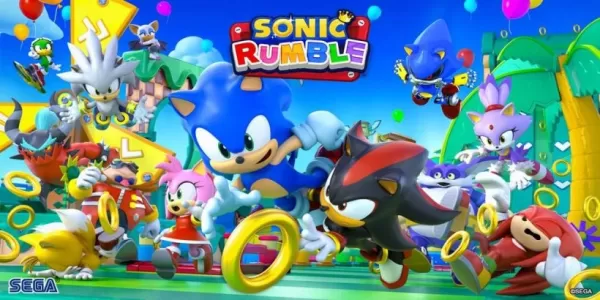
ソニックランブルバトルロワイヤル、来月グローバル配信開始
Sonic Rumbleは、待ち望まれていたバトルロイヤルゲームで、来月発売されます。iOSとAndroid向けに5月8日からダウンロード可能です。プレ登録ボーナスは今だけ限定で入手できます。数年前のセガによるRovio買収以降、「次に何が来るのか」と多くの人が注目していました。それ以来いくつかのモバイルリリースがありましたが、最も注目に値するのはもうすぐやってくる—Sonic Rumbleです。このゲームは象徴的な青色ハリネズミをフィーチャーしたバトルロイヤルで、5月8日に正式に発売されます!
『鬼滅の刃』ヒノカミ年代記2発売日が発表される
Demon Slayer The Hinokami Chronicles 2 は Xbox Game Pass に追加されるか?現在、Demon Slayer The Hinokami Chronicles 2 が Xbox Game Pass に含まれることは未確認です。サブスクリプションサービスへの加入を待ち望むファンたちは今後の発表に注目する必要があります。
リジデンツ・イービルがヘビメタアイドルグループBABYMETALとのコラボを発表
バイオハザードはチャートを制するメタルアイドルグループBABYMETALと提携します。
このコラボレーションには限定販売のグッズなども含まれ、2026年にリリースされます。
今回のパートナーシップは、バイオハザード30周年の記念行事として、今後の『バイオハザード サバイバルユニット』のリリースを含んでいます。 バイオハザードは映画や書籍、ライブステージパフォーマンスなどさまざまな形で展開されてきましたが、音楽分野での存在感はそれほどありませんでした—それが今変わるのです。この評価の高い生存ホラ
The Bazaar Pre-Orders Include Exclusive DLC
Pre-ordering from The Bazaar now grants you access to exclusive in-game DLC content, offering unique rewards and early access to special features. These exclusive items are only available to players who secure their pre-order through The Bazaar, making it the ultimate way to get ahead in the game.
What's included with your pre-order:
Exclusive Character Skin
Limited-Edition Weapon Pack
Early Access to the Game’s Launch Weekend
Digital Artbook & Soundtrack Download
Don’t miss out—secure your copy today and unlock powerful bonuses that enhance your gameplay experience from the start. The Bazaar is your gateway to a more rewarding adventure.
*Available on PlayStation, Xbox, and PC. DLC unlock upon activation.
活気に満ち、賑やかな店舗が並ぶザ・バザールで、頂点に立つために必要なすべてを発見しましょう。予約購入の方法、価格情報、および別バージョンやDLCの入手可否について学びます。← ザ・バザールのメイン記事へ戻るザ・バザール 予約購入 & 事前登録
ザ・バザールは現在、主要なゲームプラットフォームでのウォッチリスト登録や予約購入が利用できず、公式のTempoランチャー経由でのみダウンロード可能です。ゲームリリース時には無料プレイとなりますが、クローズドベータに参加するプレイヤーは、用意されている3種
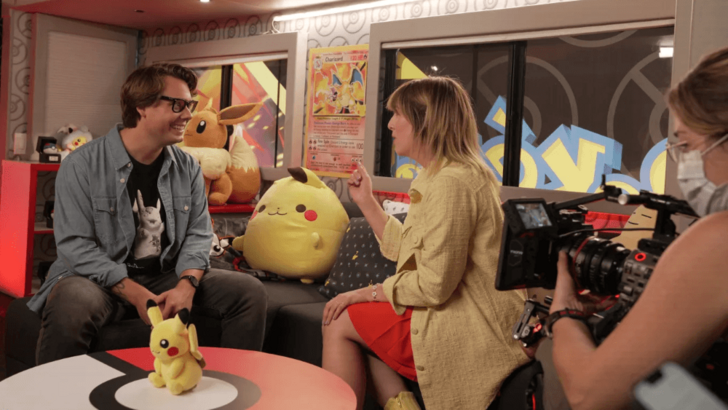
ポケモンリアリティ番組、TCGのアクションに注目
ポケモンは、熱狂的なファンコミュニティを注目させる、刺激的な新作リアリティシリーズをスタート!この革新的な番組のすべての情報を発見し、どこで視聴できるかをチェックしよう。ポケモン:トレーナー・ツアーを今すぐ視聴ポケモンTCGとそのコミュニティを祝うポケモンファンの皆様、忘れられない旅の始まりです!ポケモン会社インターナショナルが新作リアリティ番組『ポケモン:トレーナー・ツアー』を発表。2024年7月31日より、プライムビデオおよびロクチャネルで全世界同時初公開。本シリーズでは、マグネ・カマレナ(
最新のゲーム


Diva Produce Inc.
戦略丨820.7 MB

World Conqueror 3
戦略丨103.1 MB

كلمات متقاطعة بريك
言葉丨31.8 MB

ClubGG Poker
カード丨90.00M


Sounds for sleep
音楽丨14.4 MB

Coloring Games: Color Animals
パズル丨31.60M






![Salvation in Nightmare [v0.4.4]](https://imgs.21qcq.com/uploads/36/1719555347667e551321c26.jpg)
トップニュース
もっと +
01
03-28
2025年のライブスポーツ用のトップストリーミングプラットフォーム
スポーツを見るのは、テレビをオンにしてビッグゲームにチューニングするのと同じくらい簡単だった時代は過ぎ去りました。今日、スポーツストリーミングの風景は、地域の停電、ペイウォール、およびファンが迷子になったと感じることができる排他的な権利の複雑なウェブになりました。多数のストリーミングサービスがFOを争っています
02
12-25
ウィーン オペラの喜び: リバース 1.99 アップデート
Reverse: 1999 バージョン 1.7 アップデート: ウィーンの冒険が待っています!
Bluepoch Games の Reverse: 1999 は、最新アップデートのバージョン 1.7 でプレイヤーを過去への旅に連れて行き、新しい「E Lucevan Le Stelle」イベントでプレイヤーを 20 世紀初頭のウィーンの魅惑的な世界に導きます。このアップデートの削除
03
01-23
「Descenders」コードで 2025 年 1 月のコンテンツをロック解除
Descenders: アクティブ コードを使用したスリル満点のバイク レーシング ゲーム!
Descenders は爽快なバイク レース アクションを提供し、高い評価を誇っています。 さまざまな場所を探索し、大胆なスタントを実行し、さまざまなバイクやギアから選択します。 リアルなバイクの物理学により、トリックに乗って走り出すことができます
04
11-13
黒人の神話:ガイドライン議論の中で悟空のレビューが感動を与える
2020 年の最初の発表から 4 年もの長い期間を経て、Black Myth: Wukong に評決が下されました。このゲームの詳細や他のレビュアーの感想については、続きを読んでください。Black Myth: Wukong Is Near But Only On PC 2020 年の最初のトレーラー以来、Black M
05
02-02
RobloxGraceコマンドガイドがリリースされました
Grace Robloxゲームコマンド:包括的なガイド
グレースは、恐ろしいエンティティと厳しいレベルを特徴とする挑戦的なロブロックス体験です。 特にテスト中にプレイヤーを支援するために、ゲーム内コマンドのセットがテストサーバーで利用できます。このガイドは、すべてのコマンドとその使用について詳しく説明しています。
すべてのGrac