
Chants of Sennaar: Decode Tongues in Babel's Tower — A Mythopoeic Exploration of Language, Memory, and the Fractured Divine Prologue: The Voice from the Ruins In the scorched hollows between the Nile and the Blue, where the wind carries more than dust—where it bears whispers in forgotten tongues—the city of Sennaar rises not from stone, but from song. Not built, but remembered. For centuries, the people of Sennaar have spoken in a language that no longer exists—except in dreams, in the rustle of palm fronds, and in the lullabies sung beneath the cracked arches of a temple that was never finished. They call it Tal-Azhar—“the tongue that breaks the sky.” And every generation, a child is born who remembers more than they should. Who speaks in syllables not taught. Who dreams in vowels that were never written. They are the Sennarhars—the Tongue-Keepers. Book I: The Tower of Confused Tongues The myth says that Babel was not a tower of pride, but a monument to grief. That when the gods wept for the death of a word, they scattered the human tongue not as punishment, but as mercy—so that no soul might ever again speak the true name of sorrow. But the Sennarhars know better. They believe Babel was not built to reach the heavens. It was built to listen. And the chant they have preserved—passed not in books, but in the pitch of a mother’s breath, in the rhythm of a drum made from a dead man’s skin—is a key. The Chant of Sennaar. "I am not your child. I am your echo. I am not your language. I am your silence. I am not your god. I am your last prayer." When spoken aloud—on the night of the red moon, when the stars align with the bones of the old city—something stirs beneath the sands. The Tower is not buried. It is the sands. Book II: The Decoding The script of Sennaar is not written. It is performed. The alphabet is not carved, but breathed. Each letter is a gesture of the body, a modulation of the throat, a shift in the placement of the tongue. To decode the Chant is not to translate it, but to become it. Scholars have long sought to transcribe it. But every translation fails—because meaning is not in the words, but in the absence between them. The true tongue is not speech. It is the pause before the word. When the linguist Isra al-Dar finds the first stone tablet in 1734, inscribed with a language that defies classification, she does not write it down. She learns to weep in it. And when she does, the tablet begins to bleed. Book III: The Last Speaker The final Sennarhar is born in 2047, in a refugee camp on the edge of the Nubian Desert. Named Kael, he speaks no known language at birth. He does not cry. He sings. His first word is not a word at all—but a sound made when a soul remembers a dream it never had. He is taken to the University of Alexandria, where he is studied, labeled, feared. But on the 43rd day of observation, he stands before the scholars and says, not in Arabic, not in English, not in any known tongue—but in a language that makes their eyes bleed. And in that moment, they hear: "You have not listened to me. You have only waited to be understood. But I am not a message. I am the meaning between the words. I am the silence that remembers the sound." Then he steps into the sand. And the wind takes his voice. And the Tower, long thought myth, rises. Not of stone. But of memory. Epilogue: The Chant Lives Today, in the hollow of every language, in the gap between what is said and what is felt—there is a whisper. Not from Babel. From Sennaar. The Chant is not lost. It is not dead. It is waiting. For the one who will not translate. But who will listen. Final Words (from the Unwritten Scroll): "To speak a language is to remember. To hear it is to mourn. To decode it is to die. And when you finally understand— you will not know the words. You will know only the silence that comes after." — The Chants of Sennaar, as whispered on the wind, not yet spoken aloud. Note: This is a mythopoeic work—an imagined origin story, not historical fact. Yet in its structure, it reflects a deep truth: language is not only a tool of thought, but a vessel of memory, loss, and the sacred silence between words.
Автор : David
Mar 18,2026
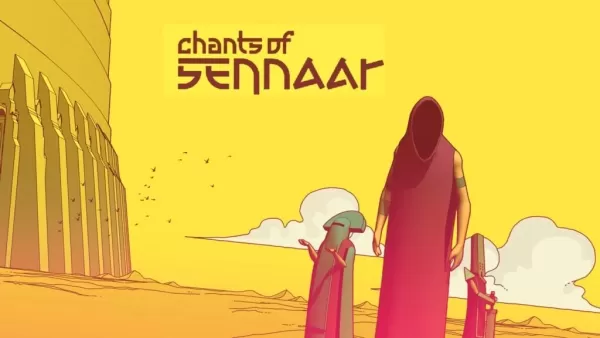
Песни Сеннаара теперь доступны на мобильных устройствах! Созданная Rundisc и выпущенная на мобильные платформы Playdigious, игра вдохновлена такими проектами, как Heaven’s Vault и Captain Blood. Первоначально она вышла в сентябре 2023 года для Nintendo Switch, PlayStation 4, Xbox One и Windows.
Песни Сеннаара переосмысливают историю Вавилонской башни через головоломки и исследование культур. Игра получила премию «Лучшая инди-игра» на New York Game Awards 2024 и была номинирована на несколько наград на крупных мероприятиях, включая The Game Awards и BAFTAs.
Расшифруй, изучи и установи связь в Песнях Сеннаара
Сюжет основан на мифе о Вавилонской башне, где язык является как барьером, так и ключом к решению. Ты берёшь на себя роль Путешественника — человека в плаще, просыпающегося внутри саркофага у подножия гигантской зиккуратоподобной башни.
Каждый ярус спиралевидной структуры населён уникальной кастой с собственной культурой и языком. Чтобы добраться на более высокие уровни, тебе нужно расшифровать эти языки, преодолеть барьеры общения и восстановить отношения между оторванными общинами.
Игровой процесс строится на внимательном наблюдении, слушании и записи символов и их значений в тетради. Вызов заключается не только в расшифровке языков, но и в использовании понимания для взаимодействия между культурами и продвижения вперёд.
Художественно игра вдохновлена работами Мёбиуса и французско-бельгийских комиксов. Каждый уровень башни отражает уникальный стиль, формируемый архитектурными, технологическими и культурными деталями. Богатая визуализация сопровождается саундтреком Томаса Брюнета. Посмотри на это в действии ниже.
Поэтический сюжет с умными головоломками, основанными на языке -----------------------------------------------------Игра предлагает познакомиться с пятью уникальными народами и взобраться по сложной башне. Путь Путешественника — глубоко продуманный. На мобильных устройствах игра включает полнофункциональное сохранение в облаке и возможность ограничить частоту кадров на 30 или 60 FPS.
Песни Сеннаара теперь доступны на Android. Перед покупкой можно воспользоваться бесплатной пробной версией. В честь запуска Playdigious предлагает скидку 10% до 2 сентября. Скачай игру сегодня в Google Play.
Также ты можешь ознакомиться с нашей репортажной статьёй о коллаборации Ensemble Stars!! Music x Hatsune Miku: Colorful Stage.
Последние статьи
Анонсирована первая в мире мобильная игра, основанная на вселенной Made in Abyss
Компания Avex Pictures официально представила совершенно новую мобильную игру, основанную на серии Made in Abyss. Эта популярная franшиза уже погрузила фанатов в глубины подземельй благодаря манге, аниме-сериалам и 3D-экшен RPG, а теперь дебютирует н
Программа для решения сложных математических уравнений на высоком уровне
Готовы проверить свою умственную проворность? MathOn предлагает серию сложных уравнений, призванных испытать ваши когнитивные способности.Если вы желаете протестировать свои навыки, игра уже доступна для скачивания на Google Play и App Store.Сможете

Фантомный герой: Раскрыты детали релиза Phantom Brave: The Lost Hero
Дата и время выхода Phantom Brave: The Lost HeroВыход 30 января 2025 года для NA/EU | 7 февраля 2025 года для AU/NZВесна 2025 года на PCPhantom Brave: The Lost Hero выйдет на Nintendo Switch, PlayStation 4 и PlayStation 5 с региональными датами релиз
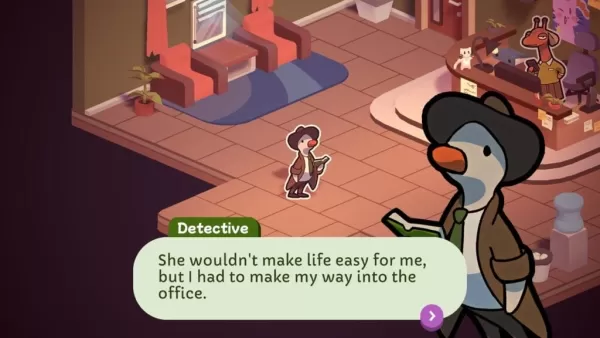
Детектив утка: Приключение секретной салями
Duck Detective: The Secret Salami теперь официально доступна на Android. Игра, выпущенная компанией Snapbreak и разработанная Happy Broccoli Games, предлагает вам стать Юджином МакКуэклинeм — уткой в тренче, которая прибывает в местную автобусную ком
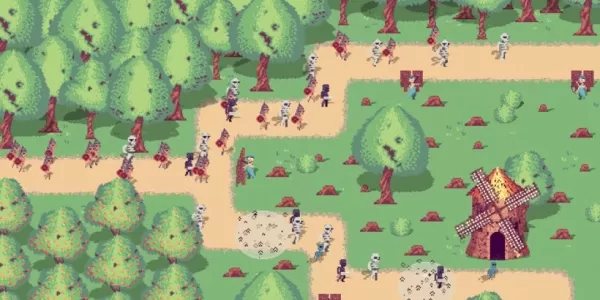
Бесконечная армия в мобильной версии позволяет вам стать злодеем в этой башенно-оборонительной игре с неожиданным поворотом
В Countless Army Mobile Edition наблюдайте, как вы превращаетесь в абсолютного злодея [[IMG_BASE64_PLACEHOLDER]]- Переосмыслите жанр tower defence, атакуя с противоположной стороны, чтобы разгромить врагов- Испытайте своих слуг в бою, наложите мощные

Marvel обратила внимание на Джейка Шрайера для фильма «Мстители»
Кинематографическая вселенная Marvel официально интегрирует X-Men в свой многоэтапный план развития, при этом режиссёр фильма «Тандрболты» Джейк Шрейер, по сообщениям, находится в переговорах по руководству этим проектом.Согласно Deadline, кинематогр
Последние игры
Smashing Cricket
Виды спорта丨29.56MB

GOKA Street
Виды спорта丨157.39MB

Pool Online
Виды спорта丨64.22MB

COUNTERFORCE: GPS RTS
Стратегия丨12.64MB


戦国クイズ 〜天下統一!戦国武将の城・国盗りゲーム〜
Стратегия丨72.03MB

Wolfoo Jigsaw Puzzle
Пустяки丨43.1MB
Трендовые игры
Более +







![Salvation in Nightmare [v0.4.4]](https://imgs.21qcq.com/uploads/36/1719555347667e551321c26.jpg)
Главные новости
Более +
01
03-28
Top потоковых платформ для живых спортивных спортов в 2025 году
Прошли те дни, когда просмотр спорта был таким же простым, как включить телевизор и настройка в большую игру. Сегодня ландшафт спортивной потоковой передачи стал сложной паутиной региональных отключений, платежных наборов и эксклюзивных прав, которые могут оставить поклонников почувствовать себя потерянными. С многочисленными потоковыми услугами, борющимися с
02
01-23
Коды «Descenders» открывают контент января 2025 г.
Descenders: захватывающие гонки на велосипедах с активными кодами!
Descenders представляет собой захватывающие гонки на велосипедах и может похвастаться впечатляющими отзывами. Исследуйте разнообразные локации, выполняйте смелые трюки и выбирайте из большого разнообразия велосипедов и снаряжения. Реалистичная физика велосипеда делает езду и выполнение трюков непростыми.
03
11-13
Черный миф: Обзор Wukong впечатляет на фоне дебатов по рекомендациям
После четырех долгих лет ожидания с момента первого анонса в 2020 году Black Myth: Wukong! Прочтите больше, чтобы узнать больше о деталях и о том, что другие рецензенты думают об игре. Черный миф: Вуконг почти здесь, но только на ПКС момента выхода первого трейлера Black M в 2020 году
04
12-25
Венская опера Delight: Реверс 1.99 Обновить
Reverse: 1999 Обновление версии 1.7: Венские приключения ждут!
Reverse: 1999 компании Bluepoch Games отправляет игроков в путешествие во времени благодаря своему последнему обновлению, версии 1.7, которое отправляет игроков в увлекательный мир Вены начала 20-го века в новом событии «E Lucevan Le Stelle». Это обновление дел
05
02-02
Roblox Руководство по командам Грейс выпущено
Grace Roblox Game Commands: всеобъемлющее руководство
Грейс - это сложный опыт Roblox с участием ужасающих сущностей и требовательных уровней. Чтобы помочь игрокам, особенно во время тестирования, на тестовых серверах доступен набор игровых команд. Это руководство подробно описывает все команды и их использование.
Все Grac
Темы
Более +