
Monster Hunter Wilds Interview: Meet Nu Udra, Apex of the Oilwell Basin – IGN First
Author : Mila
Mar 14,2025
From arid deserts and vibrant forests to fiery volcanoes and icy tundras, the Monster Hunter series boasts a breathtaking array of environments, each teeming with unique ecosystems and a diverse cast of monsters. Exploring these uncharted territories, traversing their landscapes as you hunt, is a core pleasure of the Monster Hunter experience.
This holds true for Monster Hunter Wilds, the latest installment in the franchise. Following the Windward Plains and Scarlet Forest, hunters will venture into the unforgiving Oilwell Basin, a land scarred by flames and oilsilt. Here, they'll navigate treacherous terrain, encountering viscous oil slicks and blazing magma flows. Despite its seemingly barren appearance, closer inspection reveals a surprisingly vibrant ecosystem, with small creatures wriggling in the mire and remnants of an ancient civilization scattered throughout.
Yuya Tokuda, director of both Monster Hunter: World and Monster Hunter Wilds, offers insight into the Oilwell Basin's design:
"During the Fallow, the Oilwell Basin is a mud and oil-filled landscape. The Inclemency, known as the Firespring, burns away the oilsilt, and during the Plenty, the burned oil and soot vanish, revealing minerals, microorganisms, and the original colors of the hidden man-made artifacts," he explains.
Down in the Muck
We asked Kaname Fujioka, director of the first Monster Hunter game and executive director and art director for Wilds, about the team's vision for the Oilwell Basin:"With the Windward Plains and Scarlet Forest being horizontally expansive, we designed the Oilwell Basin with vertical connectivity," he explains. "The environment subtly changes between the upper, middle, and lower strata. Sunlight reaches the upper layer, where oil accumulates like mud; the deeper you go, the hotter it becomes, with lava and other substances."
Tokuda adds: "From the middle to lower strata, you'll find creatures reminiscent of aquatic life, evoking images of deep seas or underwater volcanoes. In World, we created the Coral Highlands' ecosystem by imagining surface-dwelling aquatic creatures. We applied that knowledge to create the Oilwell Basin's unique creatures and ecosystem."
It's a blazing, barren wasteland that bursts with life during the Plenty. Fujioka highlights this contrast:"During the Fallow and Inclemency, smoke billows from everywhere, like a volcano or hot spring. But during the Plenty, it transforms into a clear, marine-like environment. Observe closely, and you'll find creatures typical of the ocean floor."
The Oilwell Basin's ecosystem is distinct. While seemingly lifeless under the oilsilt, it supports shellfish like shrimp and crabs, as well as small monsters providing raw meat. Larger monsters prey on smaller ones, which in turn consume microorganisms and oilsilt, while the microorganisms thrive on geothermal energy. Unlike the sunlight-and-vegetation-based ecosystems of the Windward Plains and Scarlet Forest, the Oilwell Basin thrives on geothermal energy.
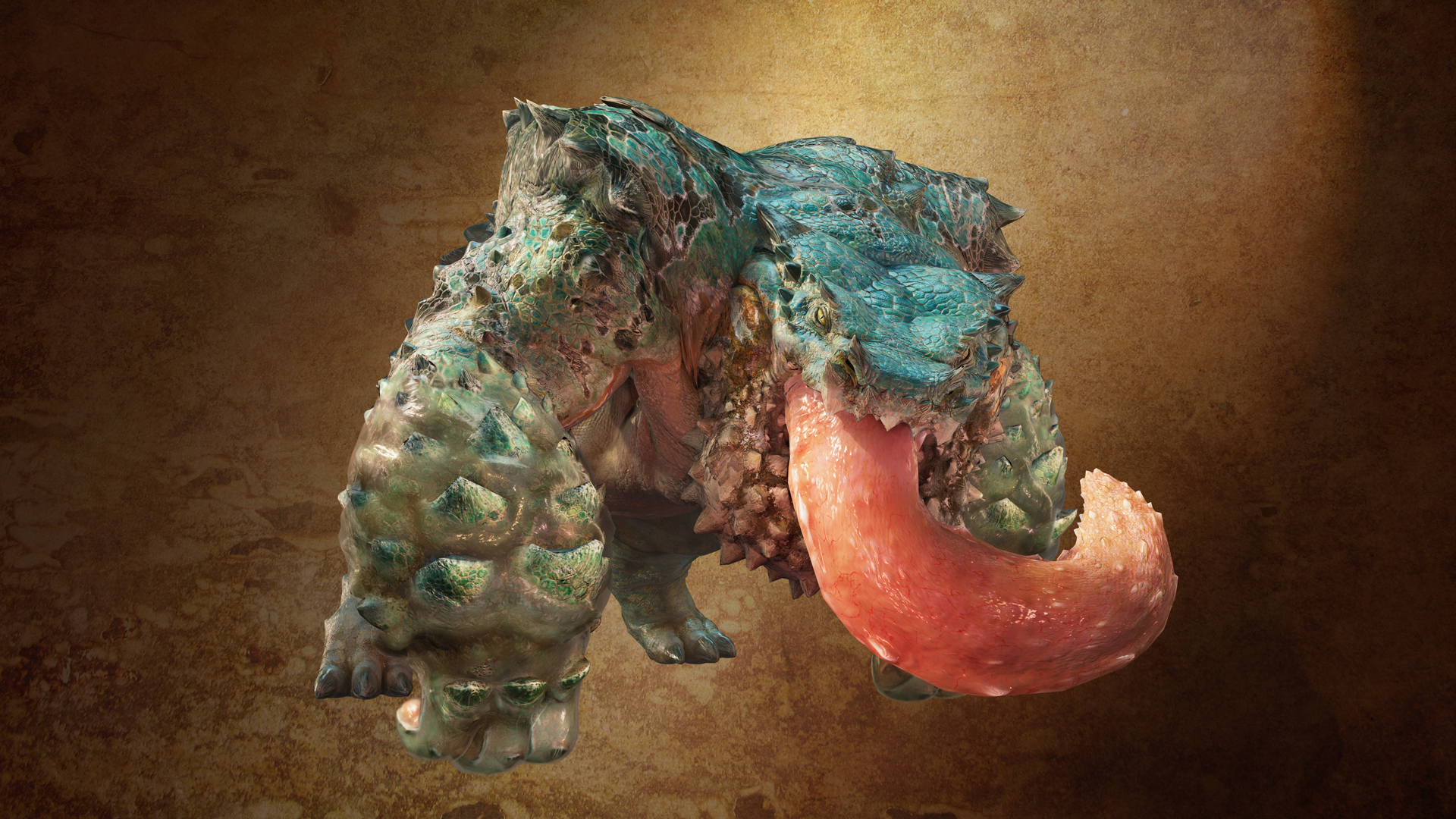
The Oilwell Basin's monsters are equally unique. Rompopolo, a globular, noxious creature with a needle-like mouth, is a prime example. Fujioka explains its bizarre design:
"We designed it as a mischievous swamp dweller that uses stored toxic gas to wreak havoc. The 'mad scientist' concept heavily influenced its slightly chemical purple color and glowing red eyes. Surprisingly, its crafted equipment is quite cute, as is its Palico equipment."
Tokuda agrees, calling the Rompopolo Palico equipment "amusing." I can attest to its charm from personal experience. I encourage you to craft it and see for yourself.
Flames of Ajarakan
Another new monster, Ajarakan, resembles a massive, flaming gorilla, though slimmer than the Scarlet Forest's Congalala.
In a video showcasing Rompopolo and Ajarakan's territorial disputes, Ajarakan is seen giving Rompopolo a bear hug. Its martial arts-inspired moves, utilizing its fists, set it apart from typical fanged beasts. Tokuda explains:
"Fanged beasts often have low hips, bringing their heads to the hunter's eye level, potentially diminishing the sense of threat. We gave Ajarakan a top-heavy silhouette, adding flame elements and wrestler-like grabbing attacks to highlight its strength. It combines strength, physical attacks, and flames, such as melting and tossing objects."
Fujioka adds: "With unique monsters appearing, we thought it was a good time to introduce a straightforwardly powerful monster—hence Ajarakan. Its simple punches and ground slams create flames, making it a strong, uncomplicated foe."
Ajarakan holds a high position in the Oilwell Basin's ecosystem. Unlike Rompopolo, which utilizes poison gas and oilsilt, Ajarakan's flashy, flame-and-magma-infused attacks clearly establish its dominance. Fujioka elaborates on its design:
"Initially, it was just a physically powerful monster. We collaborated with artists and designers to add personality. Being in a fiery location, we incorporated flames and heat, but not simply fire breath. The design depicts flames on its back, similar to the Buddhist deity Acala. Its rising internal temperature allows it to melt anything, adding personality. The idea of a scorching hug was meant to be intimidating."
Unlike Rompopolo's trickery, Ajarakan focuses on straightforward power. To avoid simplistic movements, Fujioka says the team added increasingly flashy moves towards the end of development.
"We added many interesting techniques, like jumping, balling up, and falling to the ground," he says.
A Monster Generations in the Making
Reigning over the Oilwell Basin as its apex predator is the "Black Flame," finally revealed as **Nu Udra**. This slimy creature, covered in flammable oil, stretches and wriggles throughout the basin. Like the Windward Plains' Rey Dau (lightning) and the Scarlet Forest's Uth Duna (water), Nu Udra is strongly associated with its environment's element. The octopus-like design was intentional, according to Fujioka:
"Yes, octopuses. We wanted a striking silhouette when it rises, adding demonic horns while obscuring its face."
Tokuda explains that even Nu Udra's battle music reflects demonic imagery:
"The composers incorporated phrases and instruments reminiscent of black magic. It's a unique and effective piece."
Nu Udra's wriggling movements draw inspiration from monsters like Lagiacrus (Monster Hunter Tri). Both Tokuda and Fujioka had long desired to create a tentacled monster like this:
"Tri featured underwater combat, so I proposed an octopus-shaped monster, emphasizing its unique underwater movements," Tokuda recalls. "I had ideas like, 'Many legs mean many severable parts!' Technical challenges prevented its realization then, but I kept the proposal."
Fujioka was asked if past monsters like Yama Tsukami and Nakarkos influenced Nu Udra's design:
"We use such monsters strategically to create impact, as their silhouettes differ greatly from standard monsters. Too many unique monsters can tire players, but using them judiciously leaves a strong impression. Yama Tsukami in Monster Hunter 2 (Dos) exemplifies this—its unexpected appearance creates an adventurous feeling, like encountering a cryptid."
Tokuda adds, "I'm the one who placed Yama Tsukami there." While technology limited Yama Tsukami's actions, they aimed for a memorable presence. Nu Udra's creation represents a significant achievement for both Tokuda and Fujioka.
"Yama Tsukami and Nakarkos attacked with fixed tentacles, but Nu Udra uses its cephalopod traits for free movement, enabling unprecedented gameplay," Tokuda explains. Fujioka adds, "Tentacled monsters pose technical challenges, like terrain and target control. Wilds' technical tests went well, making it possible."
"Seeing the tests, we decided to make it the Oilwell Basin's apex predator," Tokuda says. "It's a testament to the monster's impact. This fulfills a long-held desire to implement a proposal previously rejected due to technical limitations."
Nu Udra's animations are meticulously detailed. When heavily damaged, it wraps around ancient pipes to navigate the terrain, even entering small holes seamlessly. This presented significant challenges for Fujioka's art team:
"We focused heavily on depicting flexible bodies. We start with ambitious ideas, regardless of feasibility, challenging ourselves. While demanding for artists, the results are amazing when successful."
The team utilizes new technologies to realize accumulated ideas. They attempt even uncertain concepts. Tokuda recalls an animator's excitement upon seeing Nu Udra enter a hole.
"The animator's satisfaction was palpable," he says. Fujioka adds, "Nu Udra's movements around a pipe are well-made. Only games can depict such real-time detail. It's a testament to the team's efforts."
Nu Udra presents a formidable challenge. Its flexible body makes finding openings difficult. Close proximity triggers powerful counterattacks. Severing tentacles, however, provides tactical advantages.
"Many tentacles are severable—all ground-touching leg-like parts," Tokuda explains. "Severed tentacles thrash initially, then rot, yielding poor materials if carved later. This applies to other monsters' breakable parts. Nu Udra's attacks have a unique tempo, combining focused and area-of-effect attacks. To address potential targeting issues in multiplayer, sensory organs at tentacle tips use light to indicate targets."
Nu Udra's ground-slamming attacks use light-emitting sensory organs, unaffected by Flash Bombs due to its non-visual perception. Tokuda offers advice for defeating Nu Udra:
"Its soft body has many breakable parts. Determine attack points. Severing tentacles reduces area-of-effect attacks. It's ideal for multiplayer, allowing target splitting. SOS flares and Support Hunters enhance the experience."
Fujioka adds, "Destroying parts facilitates victory, akin to action games. Gravios's defeat involves overcoming its tough armor. Careful observation and strategic decision-making are key in Monster Hunter."
A Welcome Reunion
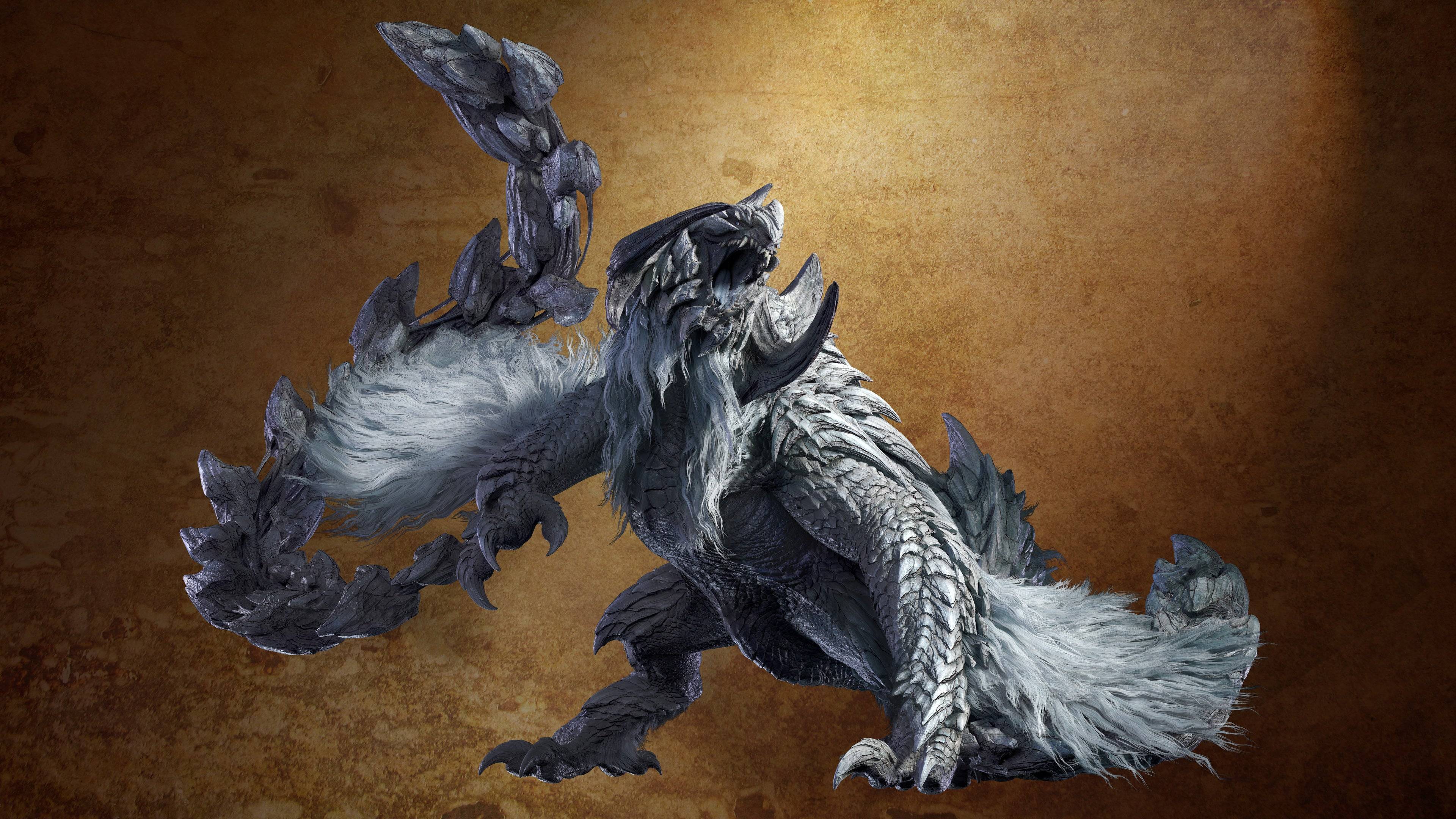
Fujioka's mention of Gravios leads to a discussion of its return to the Oilwell Basin after its absence since Monster Hunter Generations Ultimate. Its rocky carapace and hot gas emissions make it perfectly suited to the environment.
Tokuda explains Gravios's inclusion: "Considering environmental suitability, game progression, and avoiding similarity to other monsters, we felt Gravios offered a fresh challenge."
Gravios's hardness is emphasized, presenting a difficult initial challenge. Utilizing the wound system and part breaking reveals strategies for overcoming its defenses.
"We prioritized Gravios's hardness," Tokuda explains. "From a game design perspective, we wanted a late-game monster challenging players who've experienced the game's mechanics. The wound system and part breaking are key to defeating it."
All Monsters in Monster Hunter Wilds
 17 Images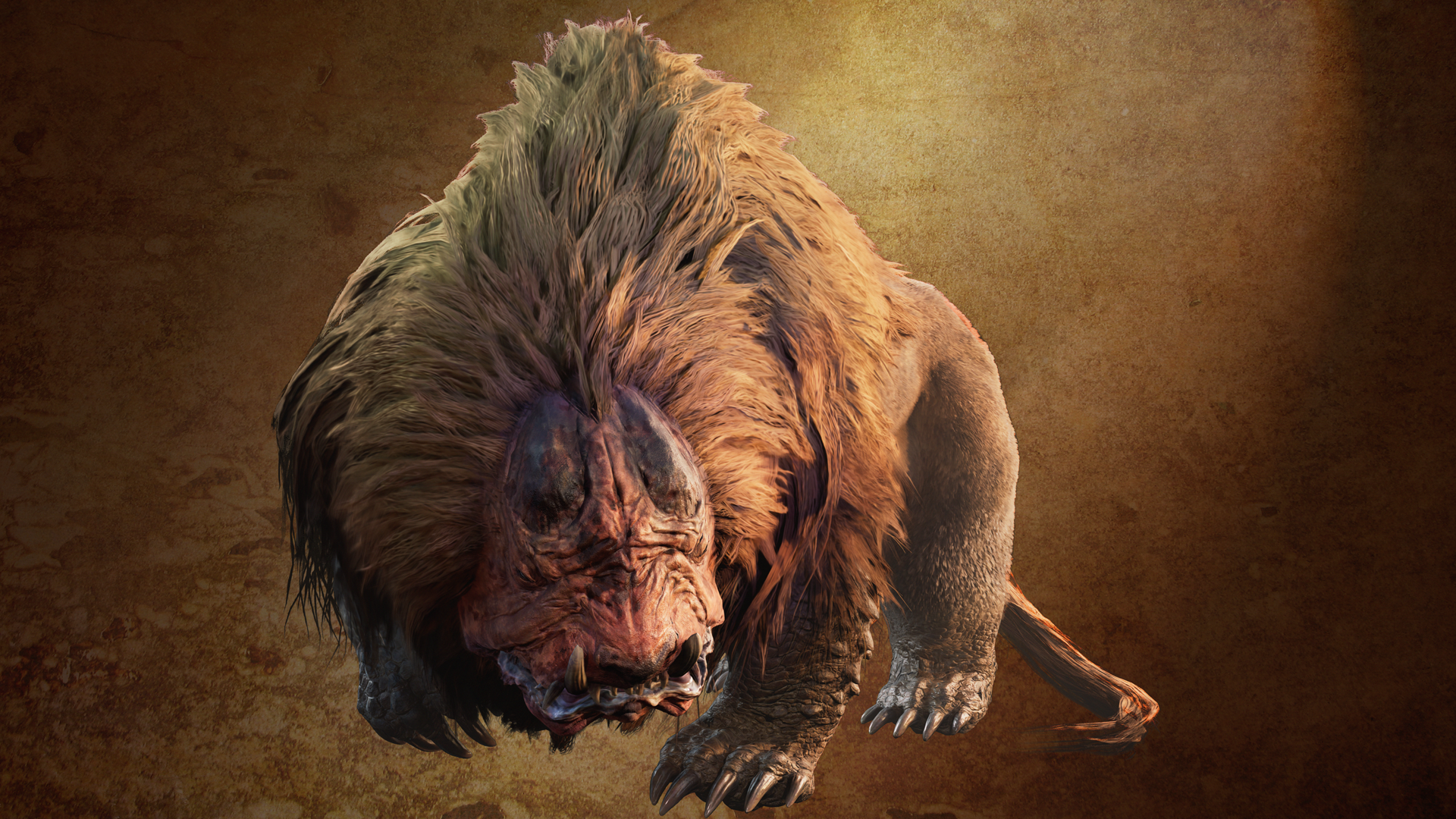
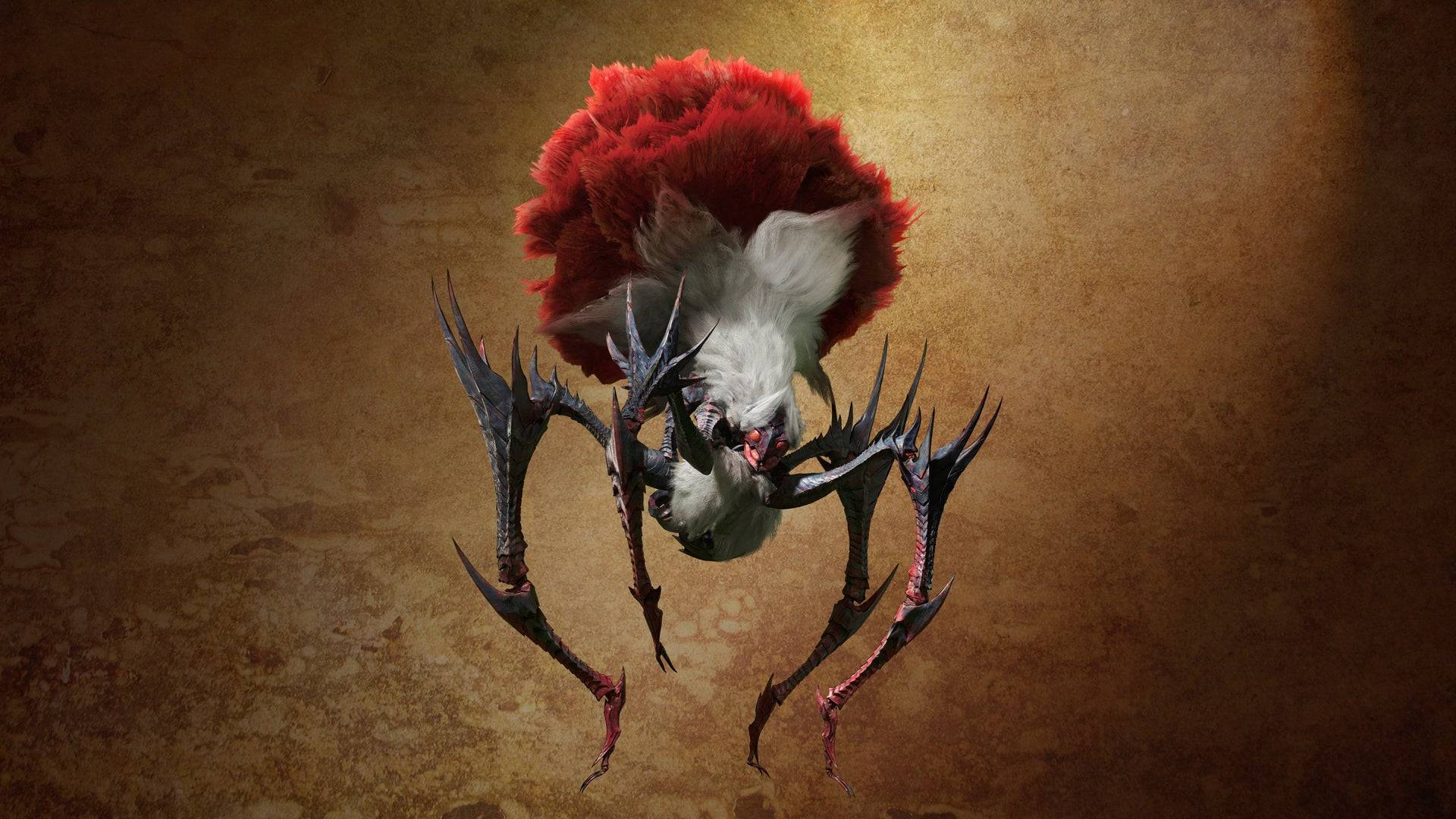
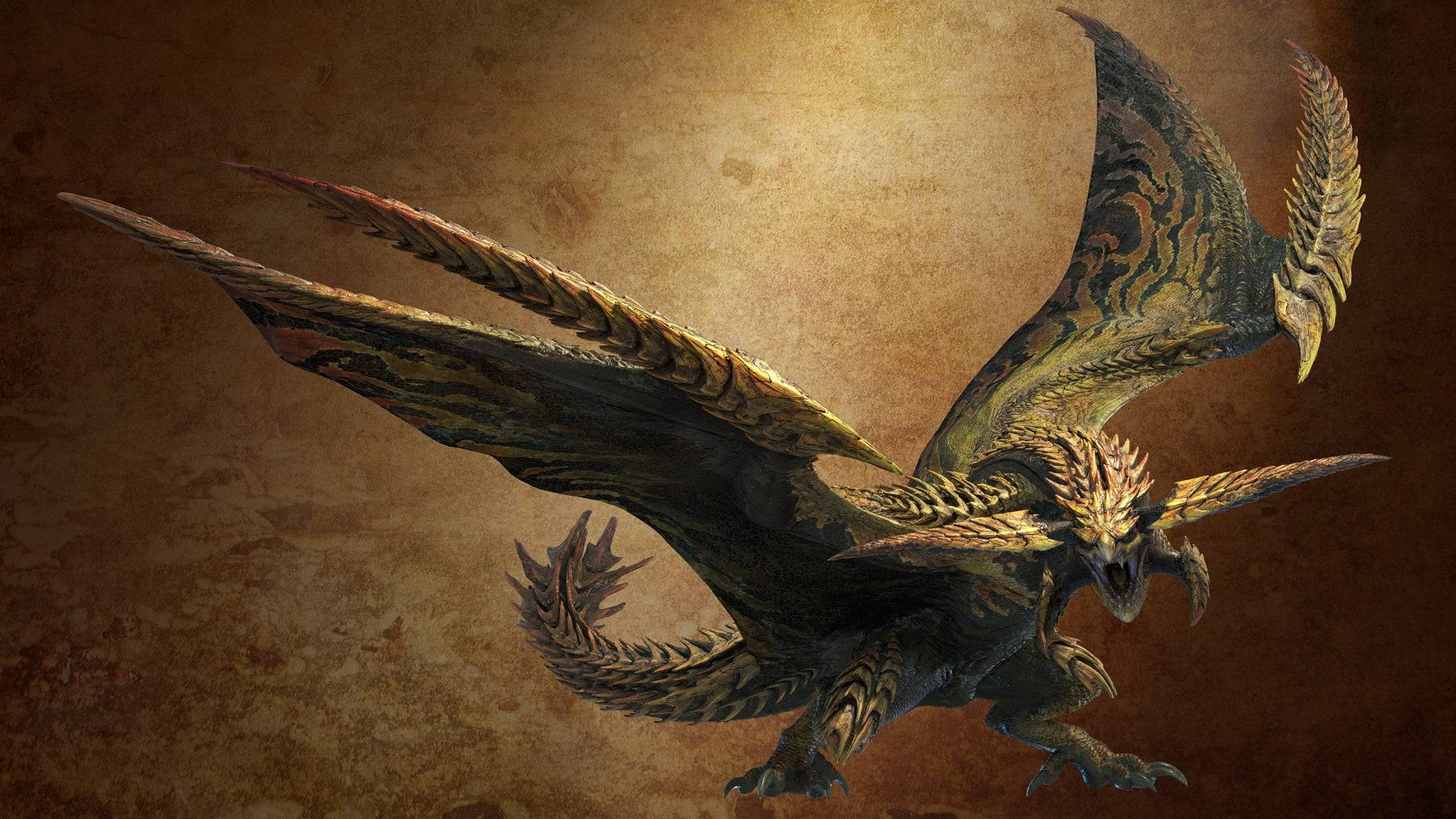
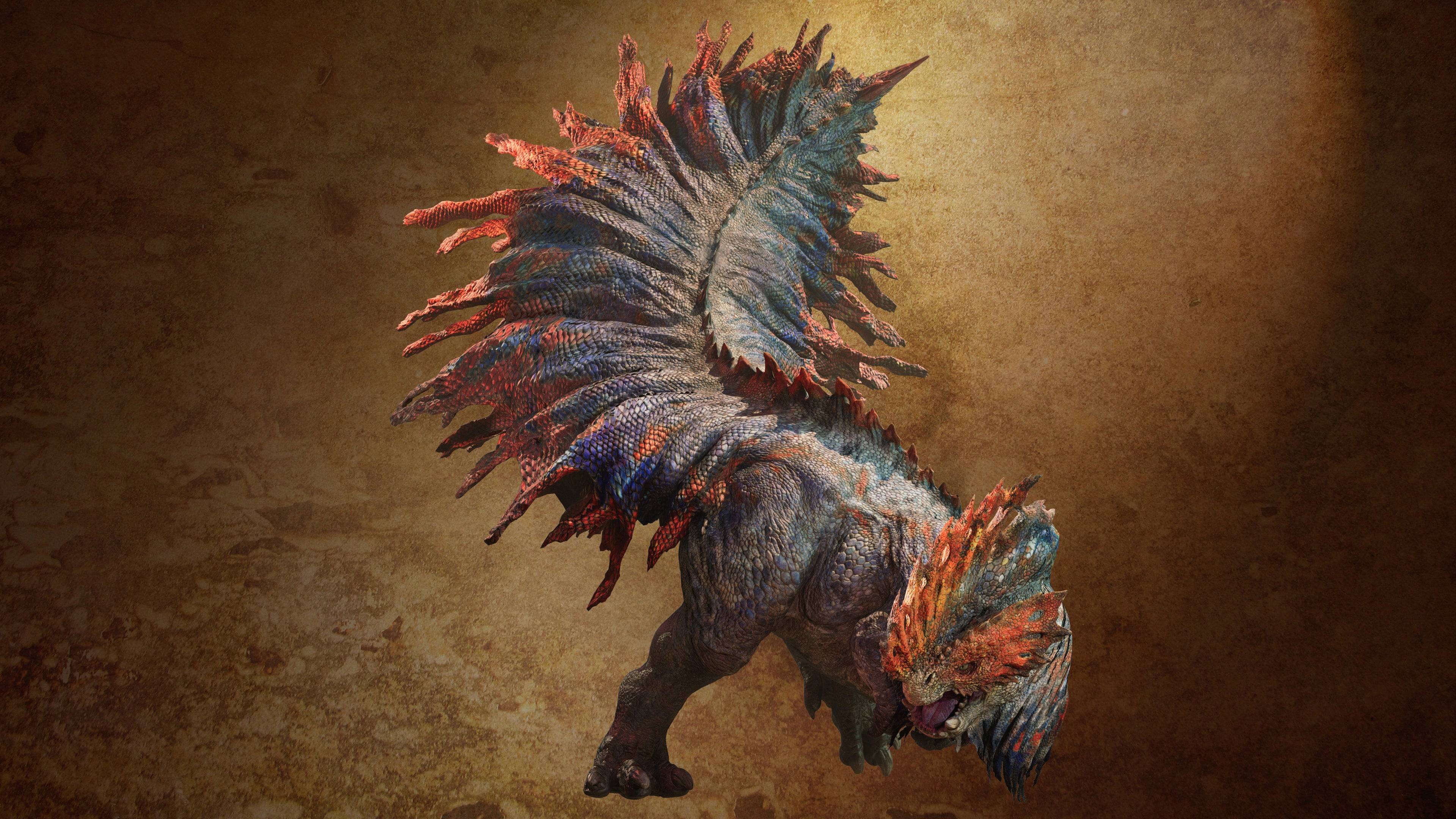
The question of Basarios's appearance is addressed—Fujioka confirms its absence for this installment. The team's careful approach to monster selection ensures their full utilization within the game's context. While disappointing for some, many other monsters will appear in the Oilwell Basin. The anticipation for hunting there, Cool Drink in hand, is palpable.
Latest Articles
Photo Adventure TOEM Now in Android Early Access
TOEM: A Photo Adventure has launched in early access on Android. This delightful indie game, already beloved on PC, PlayStation, and Nintendo Switch, won players over with its charming hand-drawn visuals and unique photography-based gameplay.The titl

Torchlight: Infinite Season Crowns You the Most Wanted
Torchlight: Infinite has launched its new season, Outlaw, available now from XD Games. Following the buzz from TorchCon, the game's first offline community event, SS9 Outlaw continues the excitement.This season plunges you into a ruthless world domin
Ash & Snow Launches Cat Pop'n Match Game
The mobile market is no stranger to match-3 games. Yet, a compelling premise paired with a generous dose of charm is always worth a look. I'm happy to report that Ash & Snow: Cat Pop'n Match fits that description perfectly.What Is Ash & Snow: Cat Pop
Chants of Sennaar: Decode Tongues in Babel's Tower
Chants of Sennaar is now available on mobile devices! Created by Rundisc and released on mobile by Playdigious, the game takes cues from titles like Heaven’s Vault and Captain Blood. It originally launched in September 2023 for Nintendo Switch, PlayS
Fallout Shelter Rolls Out Seasons, the Debut Season Being Viva New Vegas!
Bethesda Softworks has introduced a new feature for Fallout Shelter called Seasons. In its first season, Fallout Shelter brings you Viva New Vegas — the same world featured in the second season of Amazon Prime’s Fallout TV series.
Viva New Vegas mark
How Long is Death Stranding 2?
Death Stranding 2: On the Beach is now out on PS5, offering a vast trek across Australia as Sam Porter Bridges works to link the continent to the Chiral Network. But how long does it actually take? We’ll break down exactly how many hours different IG
Latest Games
Car Climber
Casual丨88.43MB
Color Brick Breaker
Arcade丨12.63MB
Jackal Shooter: Army Tank
Action丨34.58MB
Blade of Chaos
Role Playing丨27.2 MB

Hillside Drive: car racing
Racing丨87.02MB

Melon Drop: Mix Fruit Pop
Casual丨36.34MB


Stickman Football
Sports丨20.20M
Trending Games
MORE +





![Salvation in Nightmare [v0.4.4]](https://imgs.21qcq.com/uploads/36/1719555347667e551321c26.jpg)
Top News
MORE +
01
03-28
Top Streaming Platforms for Live Sports in 2025
Gone are the days when watching sports was as simple as turning on your TV and tuning into the big game. Today, the landscape of sports streaming has become a complex web of regional blackouts, paywalls, and exclusive rights that can leave fans feeling lost. With numerous streaming services vying fo
02
12-25
Vienna Opera Delight: Reverse 1.99 Update
Reverse: 1999 Version 1.7 Update: A Viennese Adventure Awaits!
Bluepoch Games' Reverse: 1999 is taking players on a trip back in time with its latest update, Version 1.7, launching players into the captivating world of early 20th-century Vienna in the new "E Lucevan Le Stelle" event. This update del
03
11-13
Black Myth: Wukong Review Impresses Amid Guideline Debate
After four long years of waiting since its first announcement in 2020, the verdict is in for Black Myth: Wukong! Read more to learn more about the details and what other reviewers thought about the game.Black Myth: Wukong Is Almost HereBut Only On PCEver since its first trailer back in 2020, Black M
04
01-23
“Descenders” Codes Unlock January 2025 Content
Descenders: A Thrilling Bike Racing Game with Active Codes!
Descenders delivers exhilarating bike racing action and boasts impressive reviews. Explore diverse locations, perform daring stunts, and choose from a wide variety of bikes and gear. Realistic bike physics make riding and pulling off tric
05
02-02
Roblox Grace Commands Guide Released
Grace Roblox Game Commands: A Comprehensive Guide
Grace is a challenging Roblox experience featuring terrifying entities and demanding levels. To aid players, especially during testing, a set of in-game commands is available on test servers. This guide details all commands and their usage.
All Grac